Definition and Components of Technology
1. Etymology of Technology
The word “technology” originates from the Greek words:
- Techne: Meaning art, craft, or skill.
- Logia: Meaning a word or study related to a subject.
Originally, techne referred to the skills of a carpenter or craftsman. A technikos was someone who possessed a specific skill. As these skills became more systematic, following definite steps and methods, they evolved into what we now call “technique.”
2. Technology as a Product

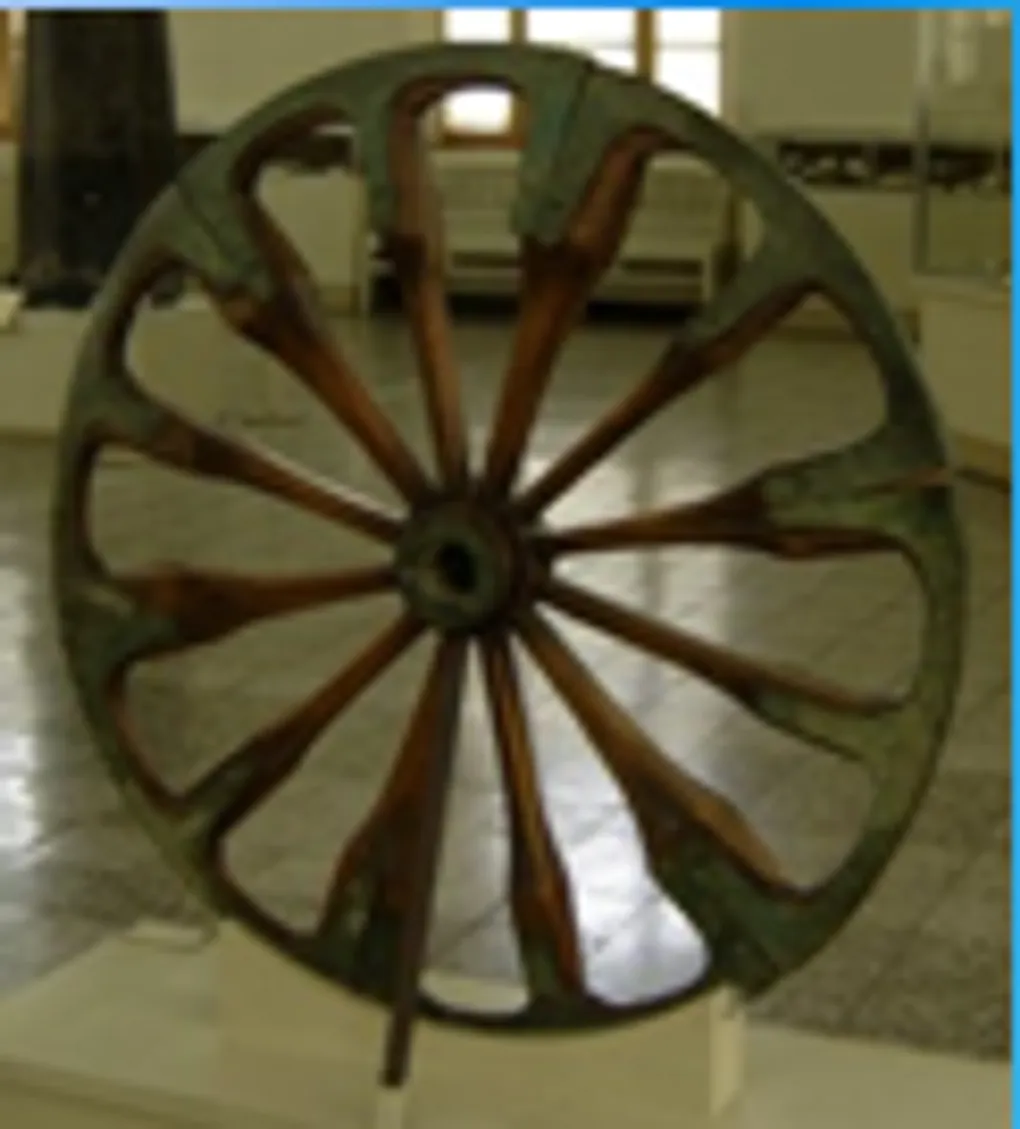
In ancient times, items like boats weren’t called “technology”—that term only emerged around 1777 at the start of the modern era. Humans created tools like knives, axes, and boats because we are physically weak compared to other animals. We cannot run as fast as horses, fly like birds, or move heavy objects like elephants. Tools were our way of overcoming these physical limitations.
Ledislav Tondl distinguishes products into three historical stages:
- Tools: Operated by human muscle power; the human provides both the energy and the information (e.g., axes, hammers, knives).
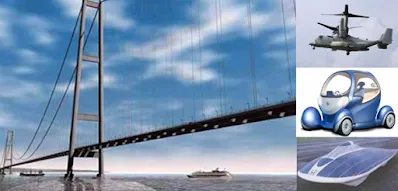
- Machines: Driven by external power sources like wind, animals, steam, or electricity. While humans no longer provide the power, they are still needed to control them.
- Automaton: The most advanced stage. These systems use cybernetic principles to regulate themselves and make decisions (e.g., a refrigerator that automatically adjusts its cooling based on its internal temperature).
3. Technology as a Process
A product is just the end result of a process. Technology also refers to the human activity involved in creating and using these products. This activity is characterized by its efficiency (achieving outcomes with minimal input) and its purposeful nature in meeting material needs. These systematic methods are often referred to as “techniques.”
4. Technology as Knowledge
To carry out technological activities, humans must possess knowledge derived from experience or study. Mario Bunge categorizes this knowledge into: a. Unconscious sensory-motor skills. b. Rules based on practical experience. c. Pragmatic rule statements. d. Technological theories.
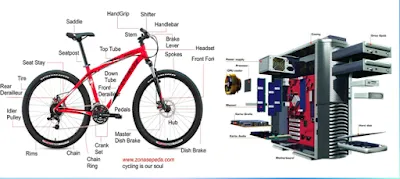
5. Technology as a System
Technology is best understood as a holistic system where various elements interact with their environment. As Robert Merrill noted, it is a flexible set of skills, knowledge, and methods used to achieve a desired outcome efficiently and rationally.
A. Components of Technology
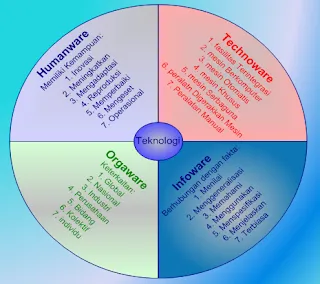
In engineering and industrial contexts, technology is seen as a combination of four basic components:
- Technoware: Physical facilities like instruments, equipment, machinery, and factories. It enhances human physical and mental power.
- Humanware: The skills, expertise, creativity, and craftsmanship of the people involved. Humanware creates, operates, and maintains the transformation activities.
- Infoware: Facts and information documented in designs, specifications, theories, and maps. It stores the accumulated knowledge from the learning process.
- Orgaware: The institutional frameworks, including organizational structures, networking, and systematic allocation of resources, that help plan and control operations.