The History of Computer Operating Systems
Operating systems (OS) are the backbone of any computer, managing hardware and software resources. Over the decades, we have seen a massive evolution in how we interact with technology.
Popular Operating Systems Covered:
- MS-DOS
- Windows
- Linux
- Macintosh
- Garuda OS
MS-DOS (Microsoft Disk Operating System)
MS-DOS was the mainstream operating system for IBM-PC-compatible computers before the rise of Graphical User Interfaces (GUI).
- 1981: First released as the primary OS for the original IBM PC.
- Evolution: Microsoft released eight major versions between 1981 and 2000.
- Significance: It was the key to Microsoft’s transition from a small programming language company to a global software giant.
- Legacy: Support was slowly phased out as Microsoft introduced Windows.
MS-DOS Versions:
- v1.xx to v7.xx (covering nearly two decades of development).
Microsoft Windows
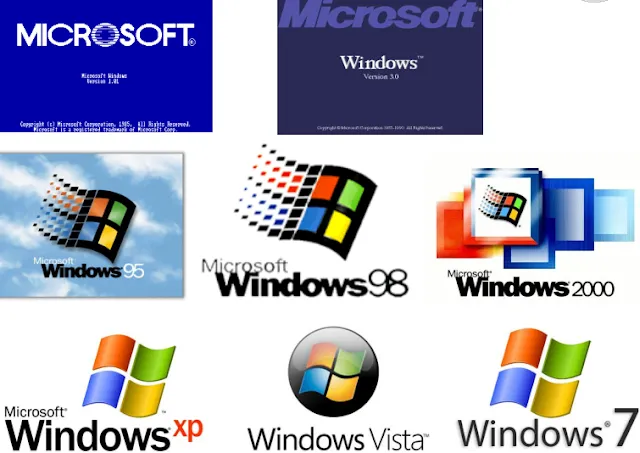
Windows transformed the personal computer into a more accessible device through its graphical interface.
- Windows 1.0 (1985): The first version, essentially a graphical shell for MS-DOS.
- Windows 3.0 (1990): Introduced Virtual Memory and VGA support.
- Windows 95 (1995): Popularized “Plug and Play” and the 32-bit kernel.
- Windows 98 (1998): Added built-in Internet Explorer and FAT32 support.
- Windows XP (2001): Known for its extreme stability and the NT 5.1 kernel.
- Windows Vista (2006): Introduced User Account Control (UAC) and the Aero GUI.
- Windows 7 (2009): A highly refined successor to Vista.
- Windows 8 (2012): Redesigned for touchscreens and tablets.
- Windows 10 (2015): The current standard, unifying the desktop and modern app experiences.
Linux

Linux is a powerful, open-source, multi-tasking, and multi-user operating system.
- History: Created by Linus Torvalds at the University of Helsinki.
- Open Source: Because the source code is public, it grows rapidly through community contributions.
- Benefits:
- Multitasking: Runs many commands simultaneously.
- Virtual Memory: Uses disk space as RAM.
- Compatibility: Supports standard Unix protocols (POSIX.1).
- Cost: Completely free.
Popular Distributions (Distros): Red Hat, SuSE, Mandrake, Slackware, Debian, Ubuntu, Kali Linux.
Macintosh (macOS)
Developed by Apple, macOS is designed specifically for Apple hardware.
- 1984: The original Macintosh 128K was introduced, being the first commercial computer with a GUI.
- Innovation: Features like the mouse and desktop icons were revolutionary at the time.
- Key Figures: Bill Atkinson, Jef Raskin, and Andy Hertzfeld.
- Evolution: Transitioned through various hardware phases, including PowerPC and Intel (x86).
Garuda OS
Garuda OS is a local Indonesian Linux distribution derived from PCLinuxOS.
- Goal: To provide a legal and economical alternative for users who previously relied on pirated software.
- Launch: Released on National Awakening Day, May 20, 2011.
- Features: Supports SNI (Indonesian National Standard) document formats and uses Bahasa Indonesia as the default system language.